|
Dear Reader,
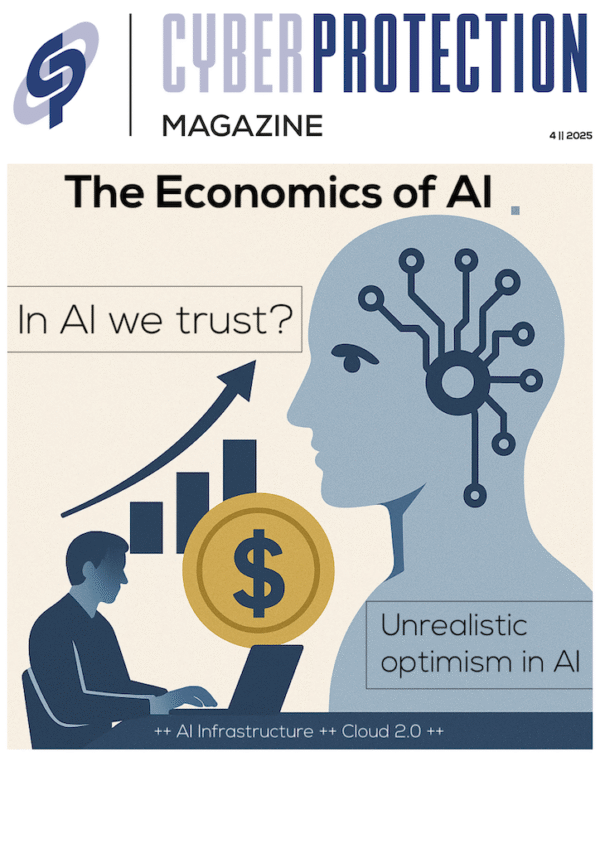
Artificial intelligence is no longer a future bet. It’s here, shaping boardroom decisions, fueling data center booms, and cutting into payrolls. But as the stories in this issue show, the economics of AI are anything but straightforward.
Yes, the technology dazzles. Generative models draft reports in seconds, agentic systems handle routine tasks, and venture capital pours in with visions of trillion-dollar markets. But beneath the buzz, cracks are widening. Companies that gambled on wholesale automation are quietly rehiring, learning the hard way that empathy, nuance, and judgment can’t be outsourced to algorithms. Even the most celebrated AI projects often deliver slower workflows, higher costs, and few measurable gains.
The infrastructure problem is even harder to ignore. Feeding AI’s appetite for compute demands power on a scale few industries have ever attempted. Trillions of dollars in new energy capacity will be needed by 2030, with nuclear plants, renewables, and storage solutions scrambling to keep up. Communities aren’t eager to sacrifice stability—or water supplies—to cool server farms built for products that still fall short of their promise.
And then there’s security. AI is both the weapon and the target: accelerating phishing campaigns, deepfakes, and automated fraud while remaining riddled with vulnerabilities. The real economic question isn’t just “Can we build it?” but “Can we trust it?”
Like the rise of cloud computing, AI may one day settle into the background of everyday business. But trust won’t come from hype or hope—it will come from honest reckoning with AI’s limits, investment in resilience, and recognition of the human role that technology can’t replace.
AI isn’t free, and its costs go far beyond the balance sheet. The bill is coming due.
Enjoy Reading
Lou, Joe and Patrick |