Apple

Schneier predicts “public” LLMs

ibuted and democratic, according to renowned security technologist, Bruce Schneier, not controlled by corporations. Developments in the past few weeks indicate he may be right.

Speaking at the RSAC Conference in San Francisco last week, Schneier talked of trust and how we give it to people, strangers, organizations, and technology. His description of that process predicted the development of artificial intelligence controlled almost exclusively by the user, rather than the dystopian corporate AI replacing humanity.

Read more...

Elder fraud festers out of control

As legislatures around the world try to get a handle on the growth of ransomware, another category of cybercrime is festering out of control: Elder fraud.
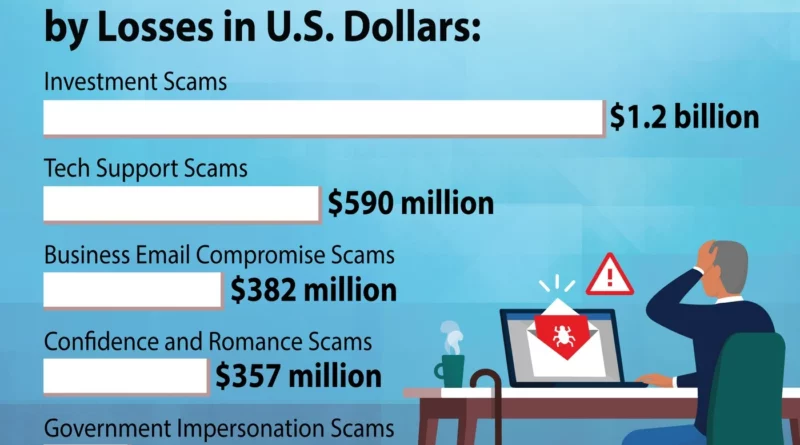
The FBI’s Internet Crime Complaint Center (IC3) reported more than 100,000 people in the US, 60 years and older, lost $3.4 billion total to digital scams. The IC3 pointed out that the elderly are half as likely to report a loss. So the actual crimes and losses are probably much higher.

In contrast, the total ransomware payouts last year from reporting companies was $1.1 billion according to Chainanalysis. While the total number of fraud reports to the IC3 appears to have leveled off after years of growth, elder fraud increased by 14 percent year on year.

“Combatting the financial exploitation of those over 60 years of age continues to be a priority of the FBI,” wrote FBI Assistant Director Michael D. Nordwall, who leads the Bureau’s Criminal Investigative Division, in the report. “Along with our partners, we continually work to aid victims and to identify and investigate the individuals and criminal organizations that perpetrate these schemes and target the elderly.” 

Who is vulnerable?

Membership Required

You must be a member to access this content.

View Membership Levels

Already a member? Log in here
Read more...

Commentary: Getting the point of Google News v. the media

Cyber Protection Magazine posted a long article about Google’s decision to start de-listing California-based newspapers. We strove to be as objective as possible and present both sides of the argument, but we did say that the opponents were missing the point, hoping that the point would be obvious in the discussion. Here, however, we want to shed objectivity and make the point clear.

Google’s move, generously described, is a preemptive response to California’s Journalism Preservation Act (AB 886) that has yet to pass the Senate. The act will require Google to sit down and negotiate with California publishers over the fair price of publishing content from those media sites.

Note that the bill is not mandating a price. It is mandating a negotiation. That changes the nature of the discussion.

Membership Required

You must be a member to access this content.

View Membership Levels

Already a member? Log in here
Read more...

Legislation and lawsuits influence development in 2024

When it comes to technology, politicians and lawyers usually chime in on technology problems years after a product is on the market and well-adopted. But in 2024 government regulation, legislation and lawsuits, both criminal and civil, will influence the development of security and AI technology more than any innovation or market demand. And that’s just fine with industry… for the most part.

Premium Membership Required

You must be a Premium member to access this content.

Join Now

Already a member? Log in here
Read more...