Scam bucket: Ticket fraud is for suckers
The Superbowl is a few days away, the Winter Olympics starts in February and the Summer Olympics is not far………more...
Read more...


The Superbowl is a few days away, the Winter Olympics starts in February and the Summer Olympics is not far………more...

Happy Holidays – our last issue of the year is out, and it’s all about Disinformation or, as we like to put it: Dysinformation.
Dysinformation is a scourge of society, fueled by social media and malicious actors, but you may not have heard the term spelled this way. Dysinformation simply means “damaging information.” It puts misinformation and disinformation in the same bucket, but what is the difference?
Disinformation
Disinformation is intentional. The authors know it is false and distribute it with the desire to defraud, destabilize and delegitimize issues and individuals. It is often defended as, “Hey, I’m just asking questions.” The first recorded instance of disinformation occurs in Genesis. After Eve explains to the serpent why she should not eat forbidden fruit, the serpent replies “Has God really said…?”
Disinformation authors do not need to prove an allegation. They just need to get a small credulous audience to wonder if what they say is true. If the allegation reflects a particular opinion of the audience, they are more likely to accept the allegation as true. Every piece of disinformation may contain an element of truth to establish the author’s qualifications, but the majority is sheer speculation.
Read more...
The English riots this past week provide a Dickensian “best of times…worst of times.” context to politics in the United Kingdom and possibly the United States later this year. The UK has had a significant political shift in leadership that brought relief to the majority of that countries citizens (the best) but also encouraged the minority opinion to lash out with provocation from domestic actors and foreign states (the worst). This highlight the fact that digital security concerns reaches far beyond the confines of corporate CISO offices.
The rioters are extreme anti-immigration nationalists whipped up by false information regarding the stabbing of several young children and adults at a dance recital in Southport, a town just north of Wales. The disinformation came from several sources but is primarily coming through a Russian-linked website posing as a legitimate American news organization. The claim was meanwhile amplified up by far-right figures Tommy Robinson and Andrew Tate. Robinson was arrested under anti-terrorism laws but is out on bail has been vacationing in Europe. He is still spreading disinformation. Tate is currently under “judicial supervision” for rape and human trafficking charges. X owner Elon Musk has also participated personally in sewing the discord.
Foreign interference grows
Meanwhile, open source intelligence monitored by companies like Zero Fox and Fletch have identified efforts by North Korea and Russia to interfere in elections of Western countries including Germany and the United States. Zero Fox said, “The Telegram-based bot service IntelFetch had been aggregating compromised credentials linked to the Democratic National Committee (DNC) and their websites. This data, primarily sourced from botnet logs and third-party breaches, includes sensitive information such as login credentials for party members and delegates. This breach poses a significant risk of unauthorized access and potential disruptions to the convention.”
Zero Fox said the DNC had been alerted several weeks ago and that the weaknesses fixed. The DNC Convention is set to begin August 19 and Zero Fox was planning on announcing their findings that day to boost their profile.

When it comes to election security, the technology we use to vote and count those votes is not the problem. The problem is how naive we are.
Election security has been at the forefront of daily news cycles for more a decade. The concerns about illicit use of technology to input and count the votes turned out to be largely overblown. Every U.S. state other than the Commonwealth of Louisiana, uses paper ballots, matching the practice of every other western democracy. Lawsuits have bankrupted people and organizations claiming the technology was changing votes. Those that have complained the loudest about election interference are now facing prosecution for the crimes.
Now the tech focus is on the use of artificial Intelligence to create deepfake video and audio. A recent pitch from Surfshark,

The cybersecurity industry is just absolute chaos, and rightly so. This is the industry charged with plugging dikes during the Class-5 hurricane that the internet seems to be today. Nowhere is that chaos more evident than at RSAC just from a marketing perspective. Everyone has “ground-breaking”, “industry-leading”, and “first ever” product offerings and this year was no different. But if you can look past the Macho-man impersonations, Formula One cars, and the mesmerizing miasma of the website and show floor, you can see an order forming in the chaos. Change is coming.
Back to step one
RSA CEO Rohit Ghai, said we have missed a step in AI development. “We’ve seen it first as a co-pilot alongside of a human pilot and then see it taking over flying the plane.” He said the first step is making it an advanced cockpit making it easier for less trained and experienced people to do the work. He pointed out that cybersecurity is an industry with negative employment making it difficult to find experienced technicians to do the work.
Last year, any discussion of ethical development was met with confused stares. This year, the need for ethical AI development is taken seriously but few can see a profit in it. Cybersecurity VC Rob Ackerman (DataTribe) and Carmen Marsh, CEO of the United Cybersecurity Alliance, were open to suggestions,
“From the perspective of (companies like OpenAI), I understand the reasons to go as fast as they can to develop a true artificial intelligence, the question is, who are the people in the room guiding the process?” said Ackerman. “Once you get a diverse set of advisors working on the problem, then you do the best you can to create something ethical. But right now, we aren’t even doing the best we can.”

Google and the state of California have come to loggerheads over legislation designed to require Google to provide financial support for local journalism. Naturally, Google is fighting this with a PR and lobbying blitz. They and their allies may be missing the point. Whatever the outcome, it could have a profound impact on the democratic process.
The legislation, The California Journalism Preservation Act (CJPA) has been wending its way through the California legislation for about a year. The text of the law says, "This bill … would require … a covered platform (as in Google) to remit a … payment to each eligible digital journalism provider … The … payment would be a percentage, as determined by a certain arbitration process, of the covered platform's advertising revenue generated during that quarter."
Google and the state of California have come to loggerheads over legislation designed to require Google to provide financial support for local journalism. Naturally, Google is fighting this with a PR and lobbying blitz. They and their allies may be missing the point. Whatever the outcome, it could have a profound impact on the democratic process.
The legislation, The California Journalism Preservation Act (CJPA) has been wending its way through the California legislation for about a year. The text of the law says, "This bill … would require … a covered platform (as in Google) to remit a … payment to each eligible digital journalism provider … The … payment would be a percentage, as determined by a certain arbitration process, of the covered platform's advertising revenue generated during that quarter."
History of dispute
A bit of history provides context. Google launched Google News in 2002
A bit of history provides context. Google launched Google News in 2002
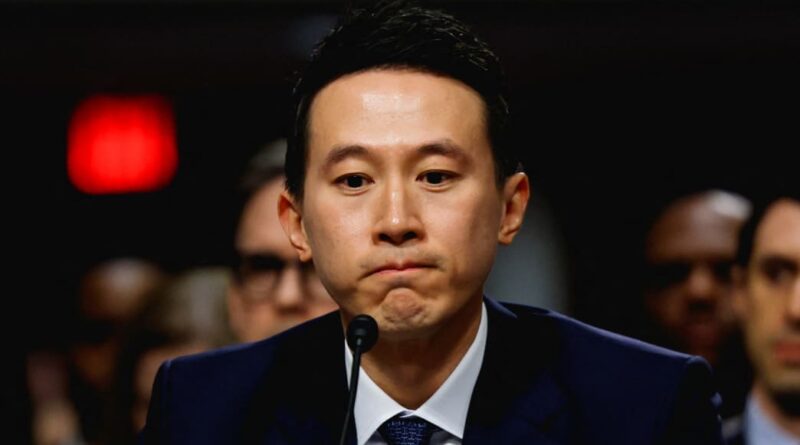
The debate over the appropriateness of the Congressional action against TikTok can be debated for a long time and probably will until the Senate takes action—which could be weeks. What is less debatable is TikTok’s, and pretty much all of the social media industry’s contribution to the situation. In essence, social media has hung itself with its own lifeline.
The industry has long embraced Section 230, a section of Title 47 of the United States Code that classifies them as part of the telecommunications industry. That particular law immunizes social media platforms and users from legal liability for online information provided by third parties. The section also protects web hosts from liability for voluntarily and in good faith editing or restricting access to objectionable material, even if the material is constitutionally protected. These protections do not apply to what is traditionally known as “the media.” That is an important distinction.
The FCC also regulates related to the foreign ownership of telecommunications companies, broadcast, and cable companies, in that it is not allowed. If TikTok expects protection under Section 230, it has to abide by all the FCC regulations, including ownership. In that case, the legislation is consistent with US law.
News media or Telecom?
However, the CEO of TikTok has made the case that the legislation infringes on the First Amendment rights of the company, creators, and users because… wait for it … TikTok is a major source of news for users. In other words, it is a news medium. According to TikTok, 43 percent of users rely on the app for daily news. But that sets up an entirely different problem.
Print, broadcast, and cable media are bound by ethics and laws to print truth. If they knowingly publish defamatory and untrue information, they can be sued by the injured party. That was most recently and famously demonstrated in the lawsuits against Fox News and Rudy Guiliani for intentionally spreading lies about election technology related to the 2020 US election.
Those same lies were and still are spread on social media platforms, including TikTok, with impunity under the protection of Section 230. But if they are a news medium, the protections of Section 230 go away and TikTok and creators who spread disinformation can now be held accountable for libel and slander.
Social media companies can adjust algorithms limiting what kind of information can be distributed on their networks and they reluctantly apply those restrictions when they are pushed to. But they can’t be sued for disseminating that information under Section 230. If they

A recent study performed by Synthedia has found that consumers are, by and large, ambivalent over the value and threatsmore
Read more...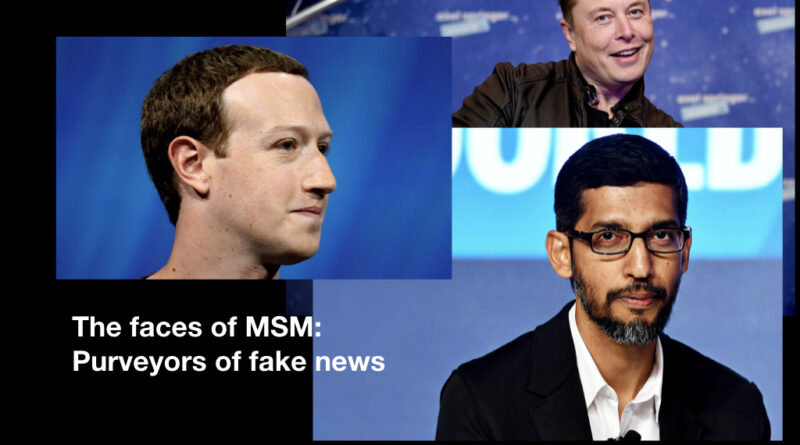
Finding content from legacy media is getting difficult in social media by design of the management of social media companies, while information from radicalized groups, hostile nation states, and paid political consultants currently makes up the bulk of information that these users call “news.”
Read more...
Everybody is going to own their own data. I’m going to own my own data. You going to own your own data. Your mother, your brother, your aunt, your uncle… we’re all going to own our own data. Those companies are going to have to pay royalties or license fees to use that data to train their models. The world is going in the opposite way.
Read more...