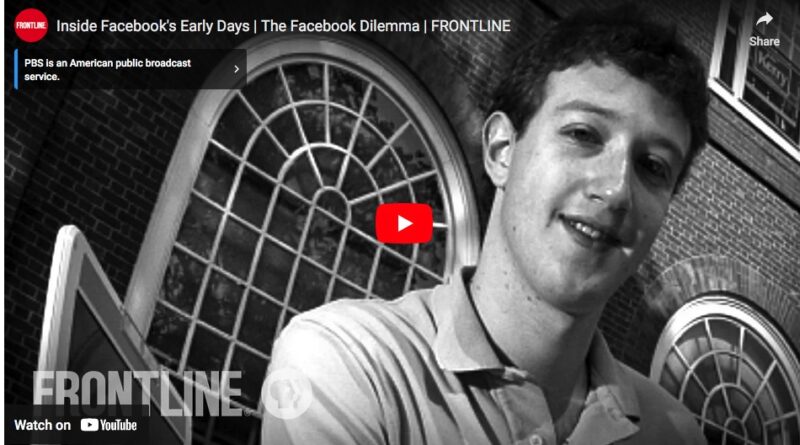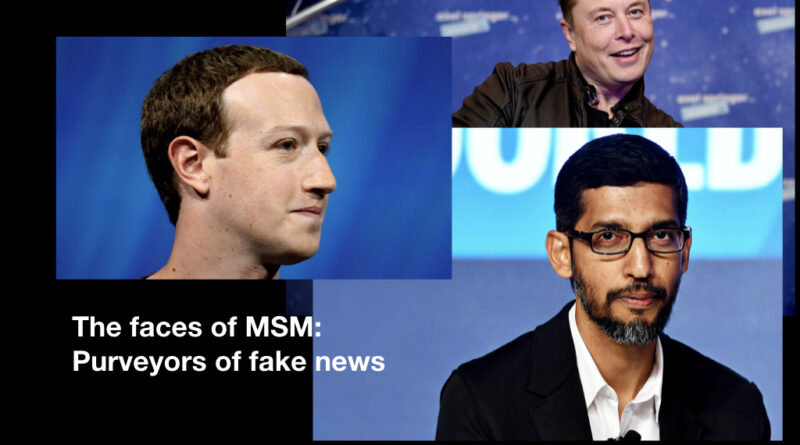
Zuckerberg

Credibility and fortunes at risk with AI

The failure of the current iteration of generative AI to live up to its promises is putting severe strain on its credibility. A collapse could result in the destruction of personal wealth on a massive scale. While it is probably a given that the artificial intelligence (AI) industry is here to stay, questions are many. What form will survive, what will it really cost, and what is the near-term effect on other sectors like the cybersecurity industry?
There are more than 5,000 cybersecurity tool providers and thousands more MSSPs and all of them, in some form, are reliant on AI to some degree. Cybersecurity marketing, investment, and especially technology development could be a disastrous dependency… or not.
AI startup funding reached $333 billion in 2024 AI in 2024. Global venture capital funding for generative AI reached approximately $45 billion in 2024, from $24 billion in 2023 AI Investment Trends 2025. AI-related investments accounted for 33 percent of total investments into VC-backed companies in the U.S. This year, global venture capital investment in generative AI appears ready to dwarf those totals, with $49.2 billion in the first half of 2025. It is on track to exceed $100 billion this year .
The big knock on AI is the lack of an effective infrastructure to support the claims the AI companies are making on potential uses. In response, tech giants are making massive infrastructure investments: More than $300 billion has been invested this year on AI infrastructure tech megacaps plan to spend more than $300 billion in 2025 as AI race intensifies.

Membership Required

You must be a member to access this content.

View Membership Levels

Already a member? Log in here
Read more...

A brief history of bots

Bots have been around for more than half a century to automate repetitive tasks and provide services on early internet platforms. The first was ELIZA, developed as a research project in 1966 at the Massachusetts Institute of Technology (MIT) the goal was to simulate conversations with a human being. ELIZA conversed with users, although it did not understand what the user was saying. Artificial intelligence chatbots are much more sophisticated versions of ELIZA, but still lack human comprehension.

Bots not replacements

The purpose of ELIZA was to determine if computers could replace psychoanalysts. Consequentially, it was the first time the prediction that computer could replace humans had some hard evidence. Today, there are mental-health AI applications with not much better results than ELIZA but projected to have a $8 billion market by 2032.

In 1988, the earliest broad use of bots was Internet Relay Chat (IRC) automating user list management, searches, and providing services like weather updates or game scores. But these were not known as bots at the time. They were called automations and still required a human interface to operate,

Premium Membership Required

You must be a Premium member to access this content.

Join Now

Already a member? Log in here
Read more...

Social media hangs itself in TikTok legislation

The debate over the appropriateness of the Congressional action against TikTok can be debated for a long time and probably will until the Senate takes action—which could be weeks. What is less debatable is TikTok’s, and pretty much all of the social media industry’s contribution to the situation. In essence, social media has hung itself with its own lifeline.

The industry has long embraced Section 230, a section of Title 47 of the United States Code that classifies them as part of the telecommunications industry. That particular law immunizes social media platforms and users from legal liability for online information provided by third parties. The section also protects web hosts from liability for voluntarily and in good faith editing or restricting access to objectionable material, even if the material is constitutionally protected. These protections do not apply to what is traditionally known as “the media.” That is an important distinction.

The FCC also regulates related to the foreign ownership of telecommunications companies, broadcast, and cable companies, in that it is not allowed. If TikTok expects protection under Section 230, it has to abide by all the FCC regulations, including ownership. In that case, the legislation is consistent with US law.

News media or Telecom?

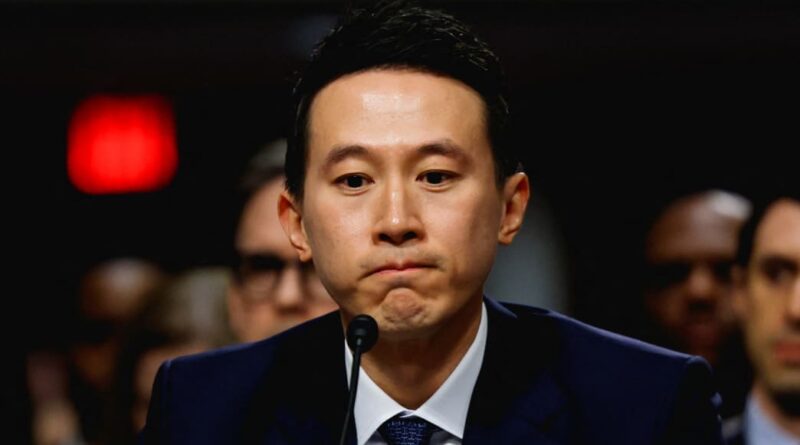
However, the CEO of TikTok has made the case that the legislation infringes on the First Amendment rights of the company, creators, and users because… wait for it … TikTok is a major source of news for users. In other words, it is a news medium. According to TikTok, 43 percent of users rely on the app for daily news. But that sets up an entirely different problem.

Print, broadcast, and cable media are bound by ethics and laws to print truth. If they knowingly publish defamatory and untrue information, they can be sued by the injured party. That was most recently and famously demonstrated in the lawsuits against Fox News and Rudy Guiliani for intentionally spreading lies about election technology related to the 2020 US election.

Those same lies were and still are spread on social media platforms, including TikTok, with impunity under the protection of Section 230. But if they are a news medium, the protections of Section 230 go away and TikTok and creators who spread disinformation can now be held accountable for libel and slander.
Social media companies can adjust algorithms limiting what kind of information can be distributed on their networks and they reluctantly apply those restrictions when they are pushed to. But they can’t be sued for disseminating that information under Section 230. If they

Purchase Required

This content requires that you purchase additional access. The price is $1.00 or free for our Premium members.

Purchase this Content ($1.00) Choose a Membership Level

Already a member? Log in here
Read more...