
Anonymous hacked ICE Air
Anonymous hacked and downloaded passenger manifests, containing the names and information on deported migrants, that Trump administration lawyers have toldmore...
Read more...

Anonymous hacked and downloaded passenger manifests, containing the names and information on deported migrants, that Trump administration lawyers have toldmore...

Despite repeated predictions of its demise, the password isn’t going anywhere. Even as biometrics and passkeys slowly gain traction, passwords remain the first line of defense for most digital systems. As World Password Day reminds us each year, securing access to our digital lives is more urgent than ever—but experts agree that strong passwords are just one part of the equation.

At a keynote address Tuesday at the RSAC Conference in San Francisco, Homeland Security Secretary Kristi Noem obliquely informed themore...

The Wall Street stock rally due to President Trump’s consecutive actions, including the suspension of most U.S. trade tariffs and intensified Chinese penalties, will result in long-term turbulence for the cybersecurity sector.
Read more...
Note: Cyber Protection Magazine rarely writes about individual products unless we cannot find similar products to compare.…
Read more...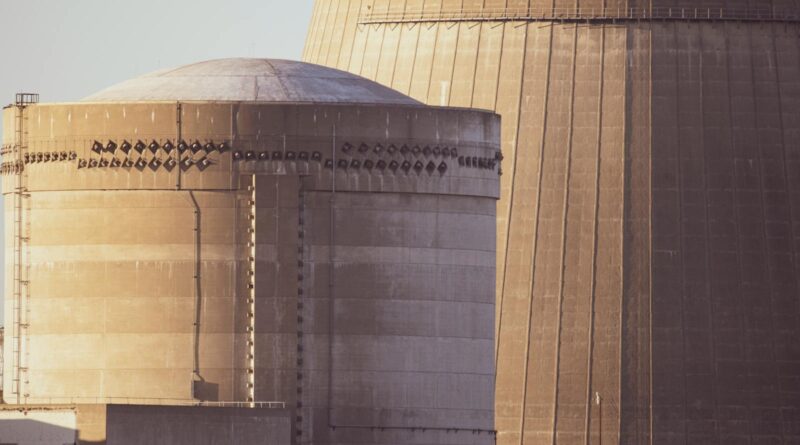
Critical infrastructure is increasingly becoming a prime target for cybercriminals and state-sponsored attackers. To defend against the growing number of attacks, CI operators require a multi-layered security approach that effectively strengthens their cyber resilience.
Read more...
As quickly as the artificial intelligence (AI) industry appeared, it may disappear just as quickly. That may have significant ramifications for cybersecurity, according to industry watchers, as the technology falls into the trough of disillusionment.
When OpenAI burst on the scene more than two years ago, Microsoft was a significant instigator in its growth and adoption. Microsoft invested billions in the not-for-profit enterprise for early access to cutting-edge AI technologies and helping accelerate OpenAI's research. It transformed its Azure cloud platform into a leading infrastructure provider for AI development, offering specialized hardware (like GPUs and TPUs) and services tailored for machine learning workloads. AI capabilities were embedded across its product suite, and Microsoft Research contributed significantly to AI advancement in computer vision, natural language processing, and deep learning.
All of that came with extreme demands on computing resources. Microsoft began a buying spree in data centers, both to secure resources and build new centers. They even entered into a deal to reopen the notorious Three Mile Island nuclear power plant.
Spree ends
That has all come to an end. As reported in Bloomberg last week, the company decided to scale back data center projects in the UK, Australia, and Indonesia. Data center development in Illinois, North Dakota, and Wisconsin is also canceled. All tolled, Microsoft has walked away from more than 2GW. That’s on top of the news that Microsoft had walked away from two data center projects in the US and Europe, piling on to a February announcement that it was canceling data center leases.

Ever since we started, we were looking for a partner who could take care of the protection against those cybersecurity risks that really matter and raising awareness through training.
Finally, we have found that partner: Lupasafe.
Read more...
In an era where data is the lifeblood of businesses and personal lives alike, World Backup Day serves as a crucial reminder of the importance of data protection.
Read more...
21% of people have never made a backup - a figure even more concerning given 30% of all computers are already infected with malware. These numbers are a stark reminder of the need to put backups at the forefront of every business leader’s mind; it is time to take action on data protection.