
How Non-Human Users Are Reshaping Business and Cybersecurity
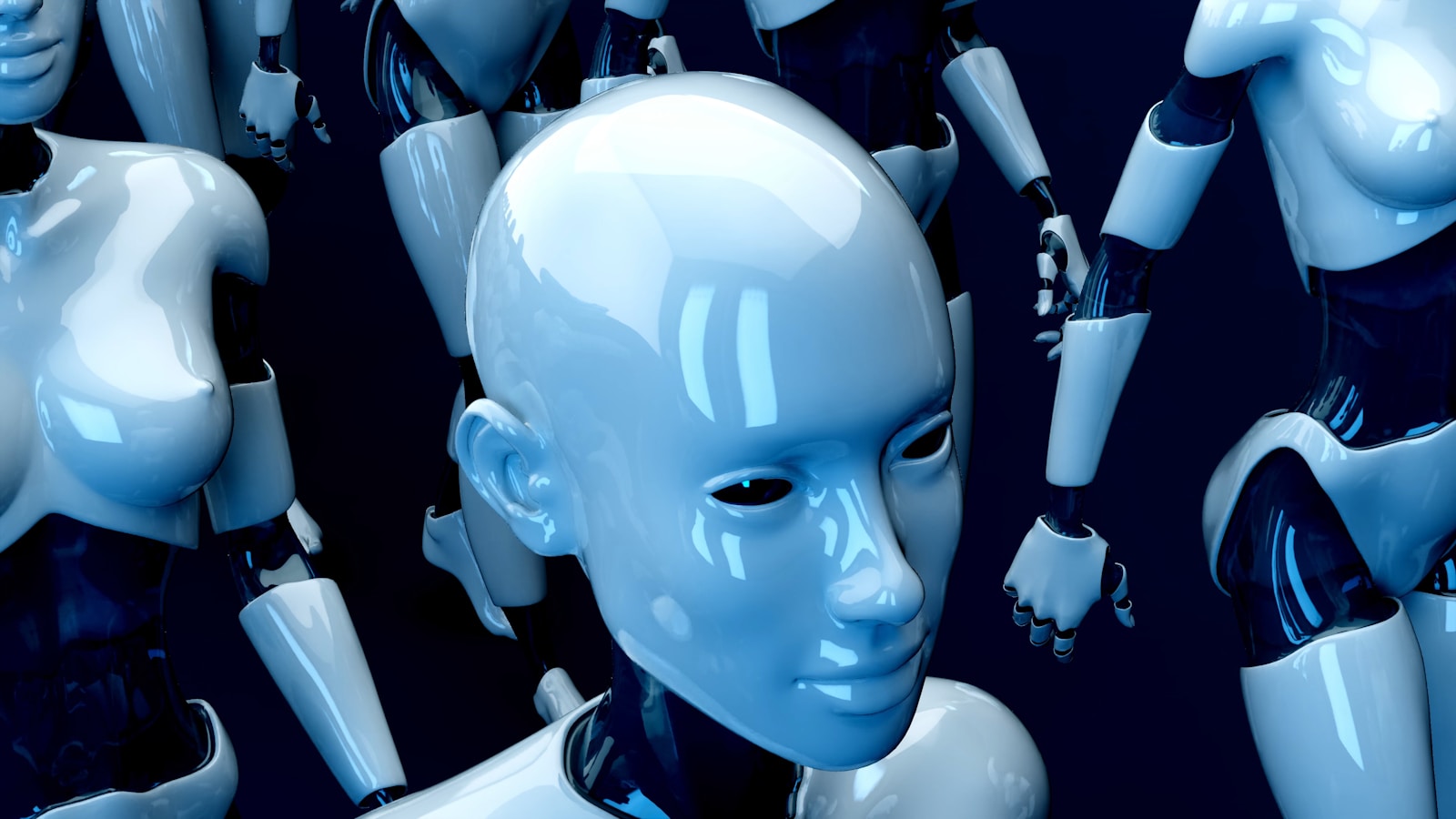
The digital world is changing fast, and now AI agents are appearing as non-human users who act autonomously. They log in to systems, handle transactions, review data, and even negotiate or create things without people having to step in every time. This shift means greater overall demand for software and changes how work is done. However, this should prompt you to consider online trust and security.
Take banking, for instance. A regular employee might go through a handful of loan apps in the morning, looking at credit scores and documents. But an AI agent can go through thousands in minutes, checking details, pulling from databases, and spotting problems right away. This accelerates business, from the steady human pace to a constant rush of digital activity.
In healthcare, a nurse may review a dozen or so patient files during a shift, noting vital signs and test results. An AI agent can handle thousands at once, finds issues quickly, and matches them to guidelines without delay. So oversight goes from spot checks by people to always-on monitoring through machines.
Retail is similar. A clerk walks the store’s aisles to see what needs restocking. An AI agent can watch every item in hundreds of stores simultaneously, adjust prices, predict demand, and automatically order merchandise. Inventory just moves smoothly.
Logistics, too, a coordinator plans a few dozen routes daily. The AI agent crunches thousands of fast calculations, factoring in traffic, weather, costs, and tweaks as conditions change. It’s like managing endless updates instead of daily plans.
On the financial side, an analyst reads a few market reports each morning. AI processes millions of data points per second, scans global feeds, identifies patterns, and continuously delivers insights. Analysis moves from once a day to machine-driven all the time.
All this automation drives software to evolve at an accelerated pace, with more APIs and platforms facilitating machines to talk to each other, and demand building on itself.
Think about a Compliance Bot that verifies that internal company messages follow the rules. First, it reads the compliance API docs and identifies the endpoints to integrate with legal databases and keyword-monitoring tools.
When a Slack message or email contains sensitive information, it can use language processing to determine its meaning. Then it sets up API calls and checks legal documents or past cases in databases. Instead of dumping data, it selects key parts, highlights them, and compiles a clear report.
So the bot doesn’t just scan; it interacts with services, reads documents, sends requests, and delivers useful information. It acts like a user logging in, transacting, and expecting things to work. Consider an Executive Bot that tracks market data or a Purchasing Agent Bot that manages vendors. They all need solid APIs, scalable setups, and secure identities to run right.
AI goes beyond using software; it’s starting to build it too. Coding helpers speed things up, and agents build microservices or tools to support more bots. This cycle of needing and creating software is huge, probably the biggest boost in software development ever. CIOs who quickly get on board with these bots will lead their organizations to drive productivity without requiring exponential growth in headcount.
The Security Mandate for the Next Workforce
But risks come with it. These agents need logins, permissions, and access. Attackers can hijack and compromise them. Older systems for managing human IDs won’t cut it anymore. Organizations will need bot-focused security to monitor them the way we monitor people.
A compromised bot could commit thousands of fraudulent actions in seconds, ingest malicious data, and spread chaos across an enterprise. So constant monitoring, flagging unusual activity, and real-time verification are must-haves. CISOs have to push for trust setups in which bots remain responsible, transparent, and bounded.
Human jobs might stay flat or drop, but digital workers are exploding in number. People are going to oversee bots rather than doing the repetitive work. New jobs will be created, such as Bot Managers, AI Ethicists, and Prompt Engineers, with skills in rules and ethics management. The future workforce will blend humans for direction and judgment with bots for speed and volume.
This rise brings up questions about responsibility. If a bot has an error, who is responsible? Regulators handling mostly bots? How does that work? Governance has to shift for liability, rules, and ethics. Transparency on bot actions, explainable choices, and clear accountabilities will help keep trust.
The bot user era is here. For CIOs and CISOs, it’s an economy where service speed trumps human numbers. Guiding AI growth responsibly means scalable software, targeted security, and new models that support accountability.
Non-human users are already here, with many more not far off. Organizations that recognize the opportunities and challenges will drive growth and innovation.

David Schiffer is RevBits’ Chief Executive Officer. David Schiffer’s career spans several decades of mathematics and computer science endeavors. He began his career in both technology and international business, after earning two Master’s Degrees in Math and Computer Science. David is the Co-Founder of two technology companies. Prior to co-founding RevBits, he was the Founder and CEO of Safe Banking Systems, which was sold to Accuity / RELX after almost twenty years in business.