
Elder fraud

Have we reached peak ransomware?

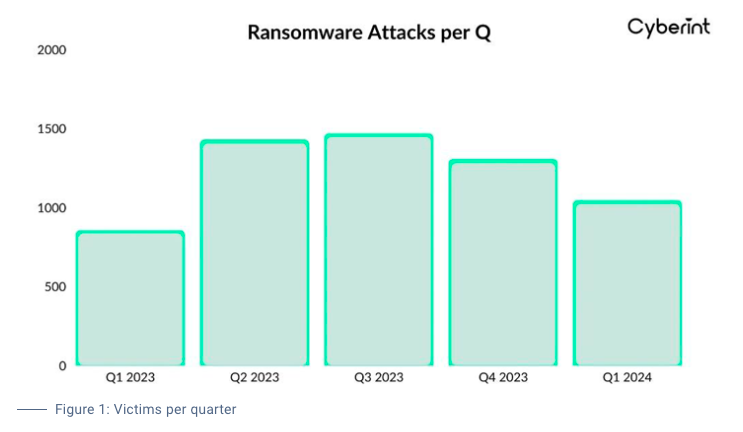
Cybercrime reports flowing out of marketing departments still highlight the danger of ransomware. However, a closer look at the numbers reveals a much different story and poses the question: Have we reached peak ransomware?

Last year, ransomware attacks hit all-time highs with paid ransoms exceeding $1.1 billion and attacks exceeding 5000, according to FBI and Interpol reports. However, looking at midyear reports from Cyberint, SonicWall and Check Point and a dozen others, attacks and ransoms paid have crashed. Still, the crime is not to be discounted, and industry recommendations are to double down on efforts to combat the “scourge”.

There are three reasons why the ransomware industry is hitting a wall.

Law enforcement agencies, working In cooperation, have found the means to identify and shutdown ransomware gang operations around the world.
Potential victims have learned hard lessons regarding the gangs’ willingness and ability to decrypt data, and becoming repeat targets. They are deciding in greater numbers to ignore ransom demands, cutting into revenue streams.

The “honor among thieves” philosophy does not relate to these criminals. Ransomware service providers are stiffing their affiliates, causing a fracturing of the criminal industry into multiple, independent gangs.
Premium Membership Required

You must be a Premium member to access this content.

Join Now

Already a member? Log in here
Read more...

Elder fraud festers out of control

As legislatures around the world try to get a handle on the growth of ransomware, another category of cybercrime is festering out of control: Elder fraud.
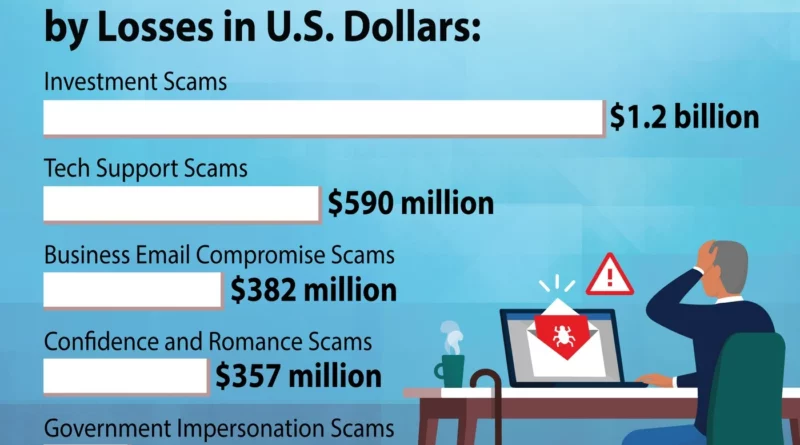
The FBI’s Internet Crime Complaint Center (IC3) reported more than 100,000 people in the US, 60 years and older, lost $3.4 billion total to digital scams. The IC3 pointed out that the elderly are half as likely to report a loss. So the actual crimes and losses are probably much higher.

In contrast, the total ransomware payouts last year from reporting companies was $1.1 billion according to Chainanalysis. While the total number of fraud reports to the IC3 appears to have leveled off after years of growth, elder fraud increased by 14 percent year on year.

“Combatting the financial exploitation of those over 60 years of age continues to be a priority of the FBI,” wrote FBI Assistant Director Michael D. Nordwall, who leads the Bureau’s Criminal Investigative Division, in the report. “Along with our partners, we continually work to aid victims and to identify and investigate the individuals and criminal organizations that perpetrate these schemes and target the elderly.” 

Who is vulnerable?

Membership Required

You must be a member to access this content.

View Membership Levels

Already a member? Log in here
Read more...