Securing the building blocks of an interconnected world
APIs are often overlooked when it comes to securing a company's landscape. We sat down with Andy Grolnick, CEO at Graylog,to discuss the rapidly growing market of API security.
Ethics in AI is an afterthought in development, making adoption a risky proposition. New industry standards, such as ISO/IEC 42001, and rigorous testing for generative AI models, guided by established ethical principles in AI management, can ease apprehension surrounding the advancement of this truly transformative technology.
Huge hazards and pitfalls loom in AI adoption without adequate safeguards and guardrails. There’s potential for perpetuating stereotypes, spreading misinformation, advancing hate speech, hallucinating, exposing private data, and unforeseen harm. The potential for facing legal and financial consequences due to the inappropriate use of generative AI is genuine with devastating outcomes.
The fourth annual Identity Management Day (April 9) brought the opportunity to assess and evaluate the shifting environment plaguing Identity and Access Management (IAM).
Identity plays a pivotal role in all facets of business functions. Overseeing identity and access presents challenges in determining who should have access to what.
This process requires a contextual understanding of the roles and duties of numerous individuals within an organization, ranging from system owners and supervisors to IT, security, and compliance personnel. Managing access between all these stakeholders and decision-makers while mitigating human error, minimizing excessive permissions, and preventing inappropriate access configurations presents a formidable task.
As workforces evolve, managing access privileges becomes even more complex, raising the risk of insider threats and unauthorized access. Understanding identity management is crucial across all business activities, especially with the rise of hybrid and remote work setups.
A strong IAM strategy requires enterprises to maintain a centralized and consistent view of all devices, resources, data, and users, along with timely provisioning of access to different users. When any of these elements are insufficiently operated, both the level of cybersecurity and the quality of user experience are jeopardized.
Read more...It’s World Backup Day. The technology landscape has changed, with (generative) AI all over the place and more cloud offerings on the market. What does that mean for Backups and how do companies ensure they have a solid backup strategy? We put together some commentaries on the subject…
Read more...GDPR, with its rigorous data protection standards and hefty fines for non-compliance, has heightened awareness about data privacy and reshaped the demand for cyber insurance.
Cyber insurance offers a financial safety net that can help organisations mitigate the potentially devastating financial impacts of cyber incidents, including data breaches, ransomware attacks, and other forms of cybercrime.
Organisations should consider cyber insurance as an integral component of their risk management strategy, particularly given the escalating landscape of cyber threats and regulatory requirements.
When we received an invitation to review AI Doctor we were quite excited to get a look inside what a serial entrepreneur, investor, and cardiologist thinks about dealing with those vulnerabilities.
The debate over the appropriateness of the Congressional action against TikTok can be debated for a long time and probably will until the Senate takes action—which could be weeks. What is less debatable is TikTok’s, and pretty much all of the social media industry’s contribution to the situation. In essence, social media has hung itself with its own lifeline.
The industry has long embraced Section 230, a section of Title 47 of the United States Code that classifies them as part of the telecommunications industry. That particular law immunizes social media platforms and users from legal liability for online information provided by third parties. The section also protects web hosts from liability for voluntarily and in good faith editing or restricting access to objectionable material, even if the material is constitutionally protected. These protections do not apply to what is traditionally known as “the media.” That is an important distinction.
The FCC also regulates related to the foreign ownership of telecommunications companies, broadcast, and cable companies, in that it is not allowed. If TikTok expects protection under Section 230, it has to abide by all the FCC regulations, including ownership. In that case, the legislation is consistent with US law.
News media or Telecom?
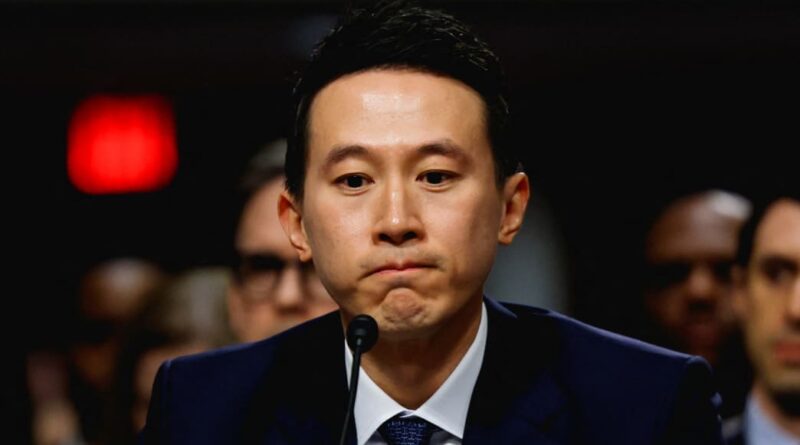
However, the CEO of TikTok has made the case that the legislation infringes on the First Amendment rights of the company, creators, and users because… wait for it … TikTok is a major source of news for users. In other words, it is a news medium. According to TikTok, 43 percent of users rely on the app for daily news. But that sets up an entirely different problem.
Print, broadcast, and cable media are bound by ethics and laws to print truth. If they knowingly publish defamatory and untrue information, they can be sued by the injured party. That was most recently and famously demonstrated in the lawsuits against Fox News and Rudy Guiliani for intentionally spreading lies about election technology related to the 2020 US election.
Those same lies were and still are spread on social media platforms, including TikTok, with impunity under the protection of Section 230. But if they are a news medium, the protections of Section 230 go away and TikTok and creators who spread disinformation can now be held accountable for libel and slander.
Social media companies can adjust algorithms limiting what kind of information can be distributed on their networks and they reluctantly apply those restrictions when they are pushed to. But they can’t be sued for disseminating that information under Section 230. If they
President Joe Biden took a step forward in protecting American's data this week and issued an executive order (EO) to protect Americans’ personal information from hostile governments.
The healthcare industry is a vulnerable target of cybercriminals, but not for the reasons most business sectors are. Between 80 and 90 percent of all cybercrime results from people not following basic cyber hygiene practices, but in healthcare criminals gain access to information through infrastructure weaknesses and the murky third-party agreements.
Generative AI platforms have dominated news cycles for much of 2023 and that probably won’t abate in 2024. That isn’t surprising. The technology is spreading through every facet of life. Our lead article from the 2024 predictions issue!