
Canada

Have we reached peak ransomware?

Cybercrime reports flowing out of marketing departments still highlight the danger of ransomware. However, a closer look at the numbers reveals a much different story and poses the question: Have we reached peak ransomware?

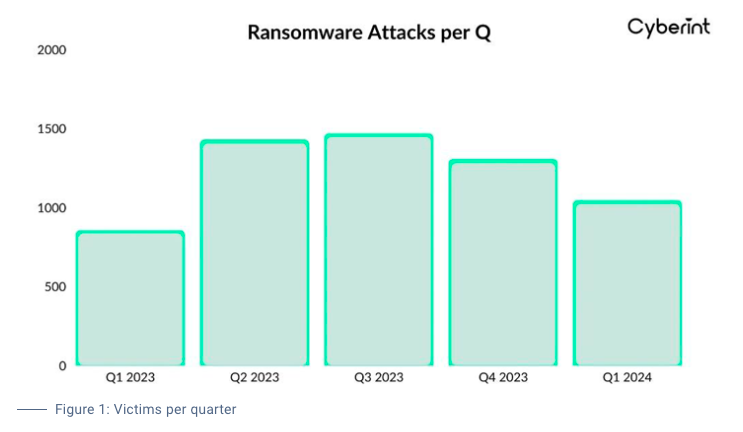
Last year, ransomware attacks hit all-time highs with paid ransoms exceeding $1.1 billion and attacks exceeding 5000, according to FBI and Interpol reports. However, looking at midyear reports from Cyberint, SonicWall and Check Point and a dozen others, attacks and ransoms paid have crashed. Still, the crime is not to be discounted, and industry recommendations are to double down on efforts to combat the “scourge”.

There are three reasons why the ransomware industry is hitting a wall.

Law enforcement agencies, working In cooperation, have found the means to identify and shutdown ransomware gang operations around the world.
Potential victims have learned hard lessons regarding the gangs’ willingness and ability to decrypt data, and becoming repeat targets. They are deciding in greater numbers to ignore ransom demands, cutting into revenue streams.

The “honor among thieves” philosophy does not relate to these criminals. Ransomware service providers are stiffing their affiliates, causing a fracturing of the criminal industry into multiple, independent gangs.

Premium Membership Required

You must be a Premium member to access this content.

Join Now

Already a member? Log in here
Read more...

Google at loggerheads over support for journalism

Google and the state of California have come to loggerheads over legislation designed to require Google to provide financial support for local journalism. Naturally, Google is fighting this with a PR and lobbying blitz. They and their allies may be missing the point. Whatever the outcome, it could have a profound impact on the democratic process.

The legislation, The California Journalism Preservation Act (CJPA) has been wending its way through the California legislation for about a year. The text of the law says, "This bill … would require … a covered platform (as in Google) to remit a … payment to each eligible digital journalism provider … The … payment would be a percentage, as determined by a certain arbitration process, of the covered platform's advertising revenue generated during that quarter."

Google and the state of California have come to loggerheads over legislation designed to require Google to provide financial support for local journalism. Naturally, Google is fighting this with a PR and lobbying blitz. They and their allies may be missing the point. Whatever the outcome, it could have a profound impact on the democratic process.

The legislation, The California Journalism Preservation Act (CJPA) has been wending its way through the California legislation for about a year. The text of the law says, "This bill … would require … a covered platform (as in Google) to remit a … payment to each eligible digital journalism provider … The … payment would be a percentage, as determined by a certain arbitration process, of the covered platform's advertising revenue generated during that quarter."

History of dispute

A bit of history provides context. Google launched Google News in 2002

A bit of history provides context. Google launched Google News in 2002

Membership Required

You must be a member to access this content.

View Membership Levels

Already a member? Log in here
Read more...

Commentary: Getting the point of Google News v. the media

Cyber Protection Magazine posted a long article about Google’s decision to start de-listing California-based newspapers. We strove to be as objective as possible and present both sides of the argument, but we did say that the opponents were missing the point, hoping that the point would be obvious in the discussion. Here, however, we want to shed objectivity and make the point clear.

Google’s move, generously described, is a preemptive response to California’s Journalism Preservation Act (AB 886) that has yet to pass the Senate. The act will require Google to sit down and negotiate with California publishers over the fair price of publishing content from those media sites.

Note that the bill is not mandating a price. It is mandating a negotiation. That changes the nature of the discussion.

Membership Required

You must be a member to access this content.

View Membership Levels

Already a member? Log in here
Read more...