Traditional methods of safeguarding information assets have become insufficient in today’s world of advanced cybercrime strategies. A more proactive approach is needed. This article explains the concept of breach and attack simulation (BAS).
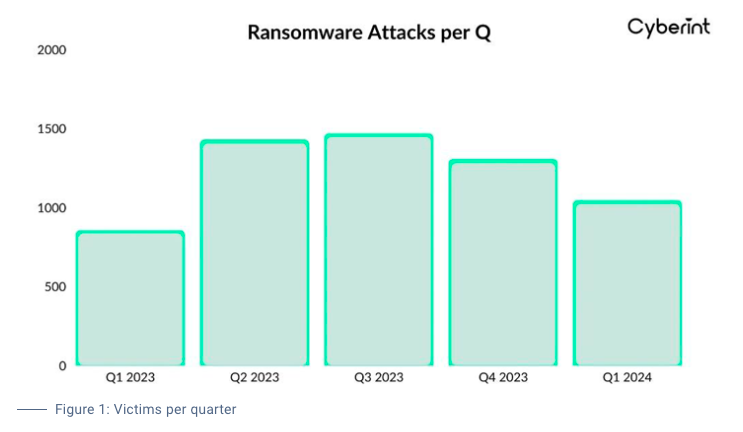
Cybercrime reports flowing out of marketing departments still highlight the danger of ransomware. However, a closer look at the numbers reveals a much different story and poses the question: Have we reached peak ransomware?
Last year, ransomware attacks hit all-time highs with paid ransoms exceeding $1.1 billion and attacks exceeding 5000, according to FBI and Interpol reports. However, looking at midyear reports from Cyberint, SonicWall and Check Point and a dozen others, attacks and ransoms paid have crashed. Still, the crime is not to be discounted, and industry recommendations are to double down on efforts to combat the “scourge”.
There are three reasons why the ransomware industry is hitting a wall.
Law enforcement agencies, working In cooperation, have found the means to identify and shutdown ransomware gang operations around the world.
Potential victims have learned hard lessons regarding the gangs’ willingness and ability to decrypt data, and becoming repeat targets. They are deciding in greater numbers to ignore ransom demands, cutting into revenue streams.
The “honor among thieves” philosophy does not relate to these criminals. Ransomware service providers are stiffing their affiliates, causing a fracturing of the criminal industry into multiple, independent gangs.
Premium Membership Required
You must be a Premium member to access this content.
Small businesses face a myriad of cybersecurity threats, with ransomware and malware being the most prevalent. The consequences of such breaches can be profound and multifaceted, affecting various aspects of the business.
A curious parallel can be drawn between cybercriminals and the intriguing phenomenon of Cicadas. Akin to the periodic insects that emerge from the ground after years of dormancy, cybercriminals often resurface with renewed vigor, unleashing their disruptive activities on unsuspecting organizations.
Purchase Required
This content requires that you purchase additional access. The price is $1.00 or free for our Premium members.
In a world awash in AI-generated, intentional misinformation and urban myths, would you bet your job on the reliability of the information you want to share? You might be betting someone’s life on it.
In the ever-evolving landscape of technology, each year brings a new set of cybersecurity threats that can put your digital life and sensitive information at risk. As you navigate the digital world, staying informed about the latest dangers lurking in the shadows is crucial.
This article will delve into why the cyber security industry urgently needs more women and how organizations can empower women to bridge the pervasive gender gap in this evolving sector.
We use cookies on our website to give you the most relevant experience by remembering your preferences and repeat visits. By clicking “Accept”, you consent to the use of ALL the cookies.
This website uses cookies to improve your experience while you navigate through the website. Out of these cookies, the cookies that are categorized as necessary are stored on your browser as they are essential for the working of basic functionalities of the website. We also use third-party cookies that help us analyze and understand how you use this website. These cookies will be stored in your browser only with your consent. You also have the option to opt-out of these cookies. But opting out of some of these cookies may have an effect on your browsing experience.
Necessary cookies are absolutely essential for the website to function properly. This category only includes cookies that ensures basic functionalities and security features of the website. These cookies do not store any personal information.
Any cookies that may not be particularly necessary for the website to function and is used specifically to collect user personal data via analytics, ads, other embedded contents are termed as non-necessary cookies. It is mandatory to procure user consent prior to running these cookies on your website.